 01
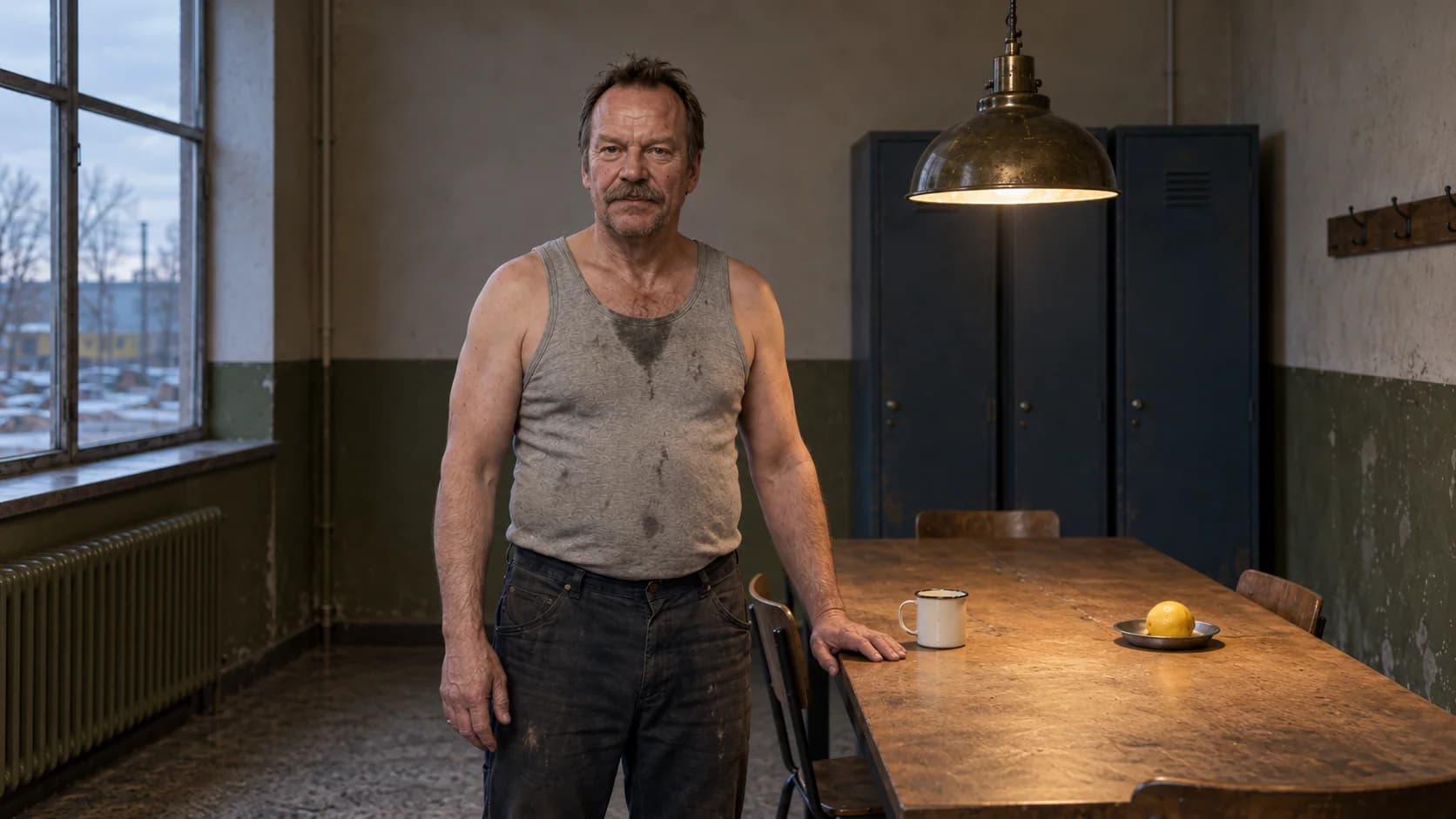
01Eye level
Meet the subject at the same height.
A field guide / Camera basics
One room. Move the camera.
Change the feeling.
Explore 16 viewpoints, see where the camera sits, and take the prompt into your own images.
Explore the positions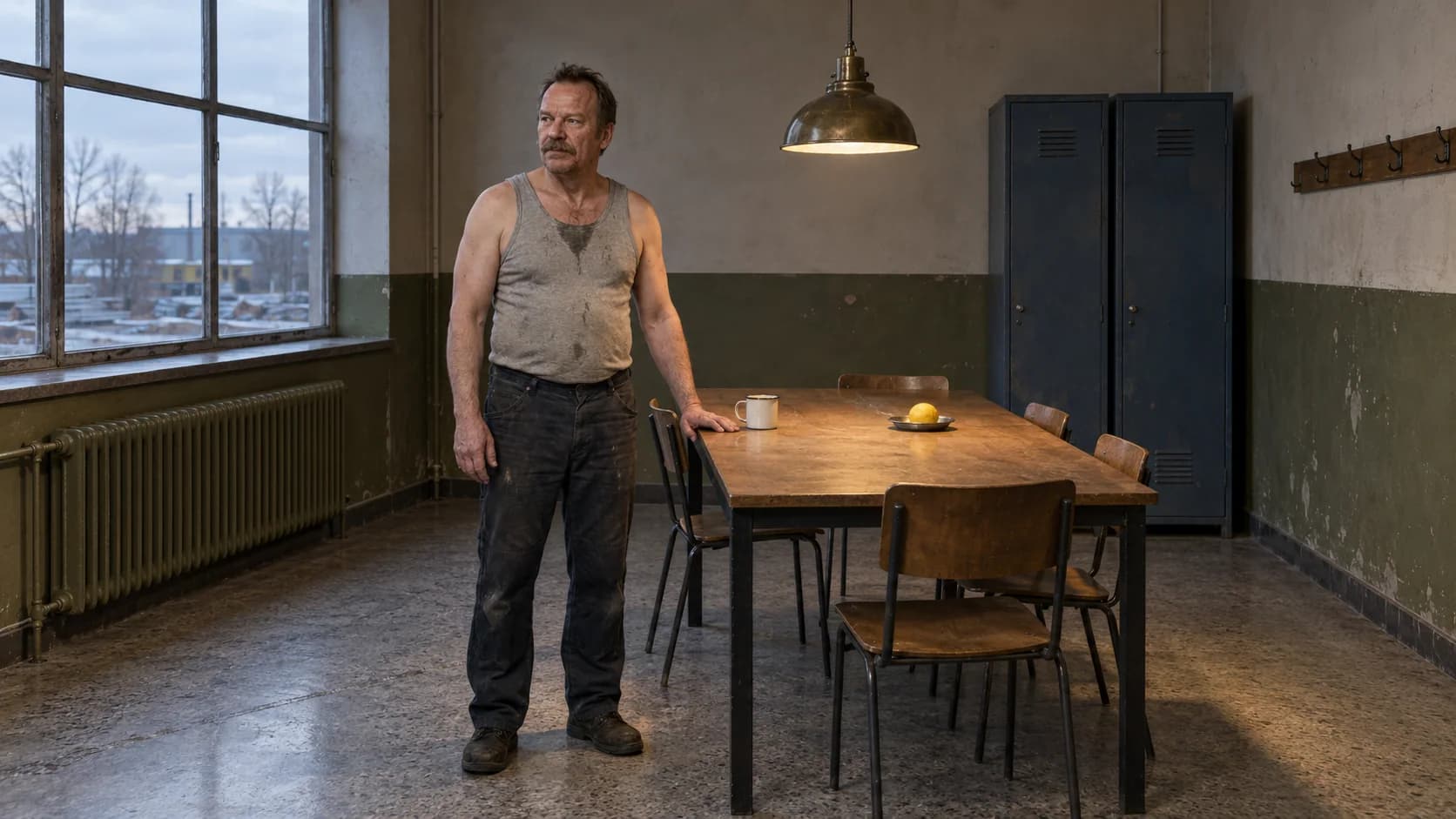
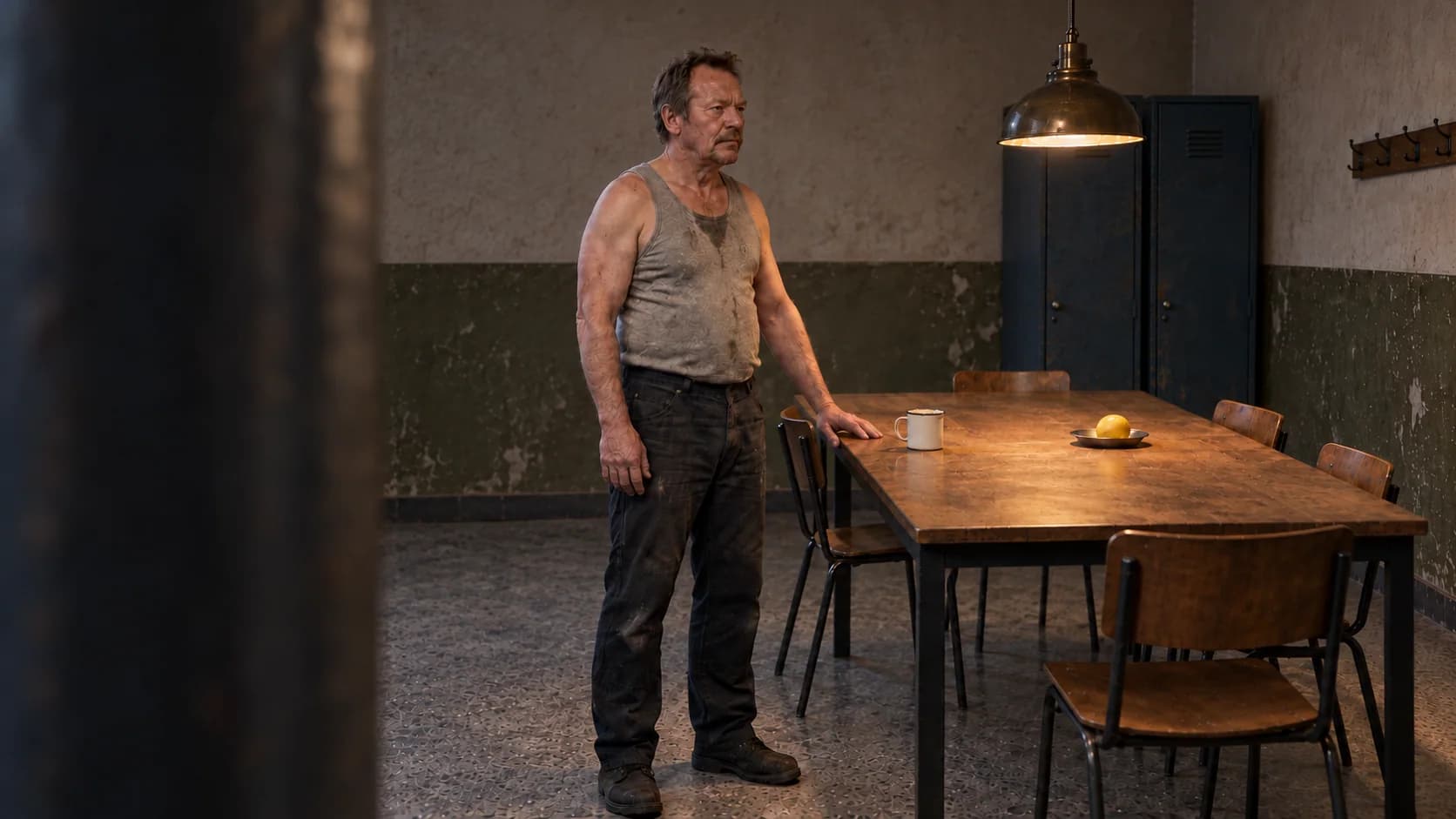
A quiet pause. A cooling coffee. One unexplained lemon.
The scene stays familiar. Your point of view changes.
Camera height
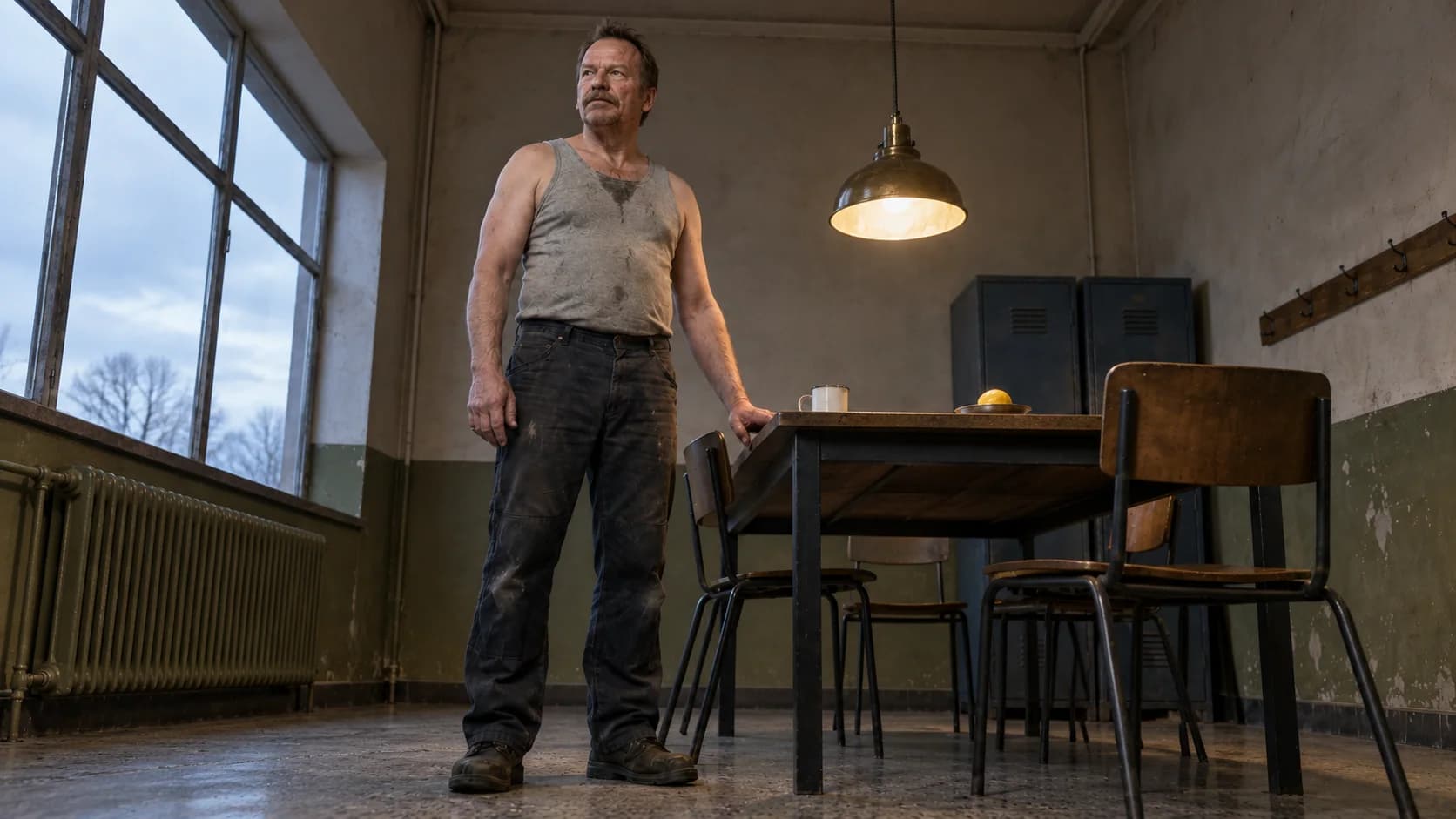
Give the subject a more imposing presence.
LOOK FORLooking up reveals the underside of the chin and puts more wall behind the subject.
Low angle / Make it your own
Copy the complete scene, or bring this camera direction into your own image.
A standalone prompt. Add your own identity reference if you want to change the character.
The position index
Same room. Same moment.
Sixteen ways to see it.
Start with the height of the lens. Then decide where it looks.
01Meet the subject at the same height.
 02
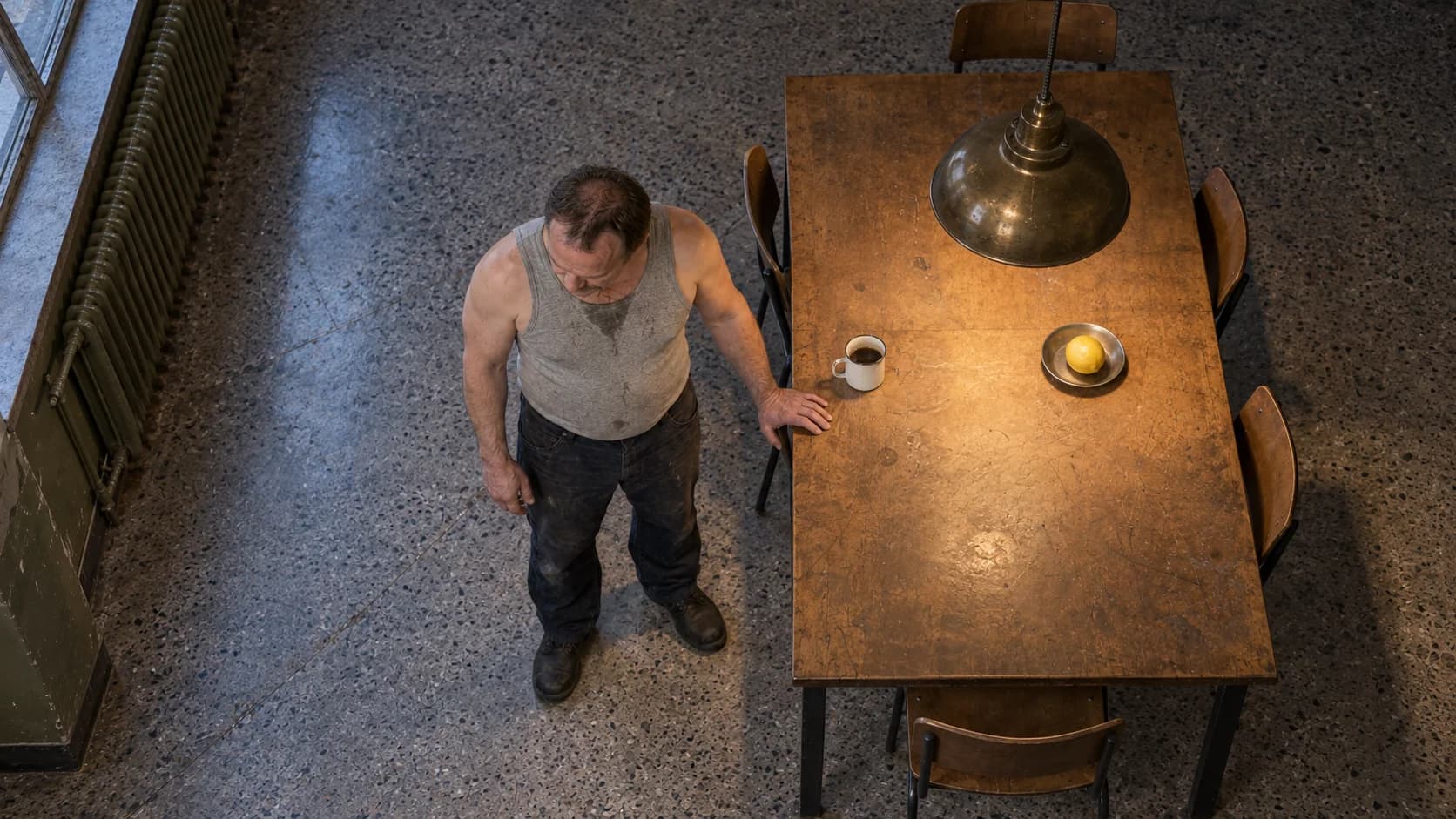
02Reveal more floor and the top surfaces of the scene.
 03SELECTED
Give the subject a more imposing presence.
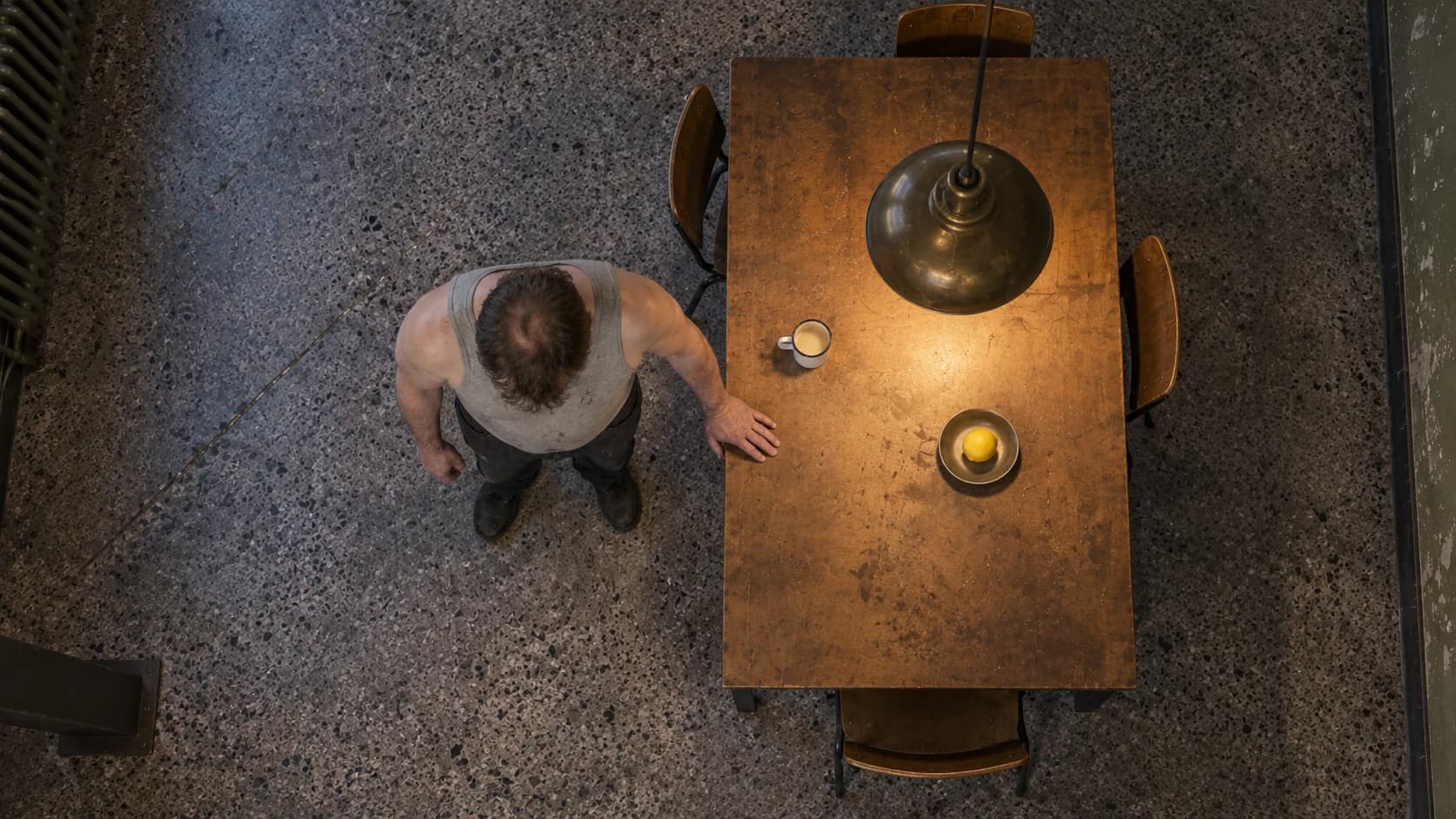 04
04Make the spatial arrangement immediately visible.
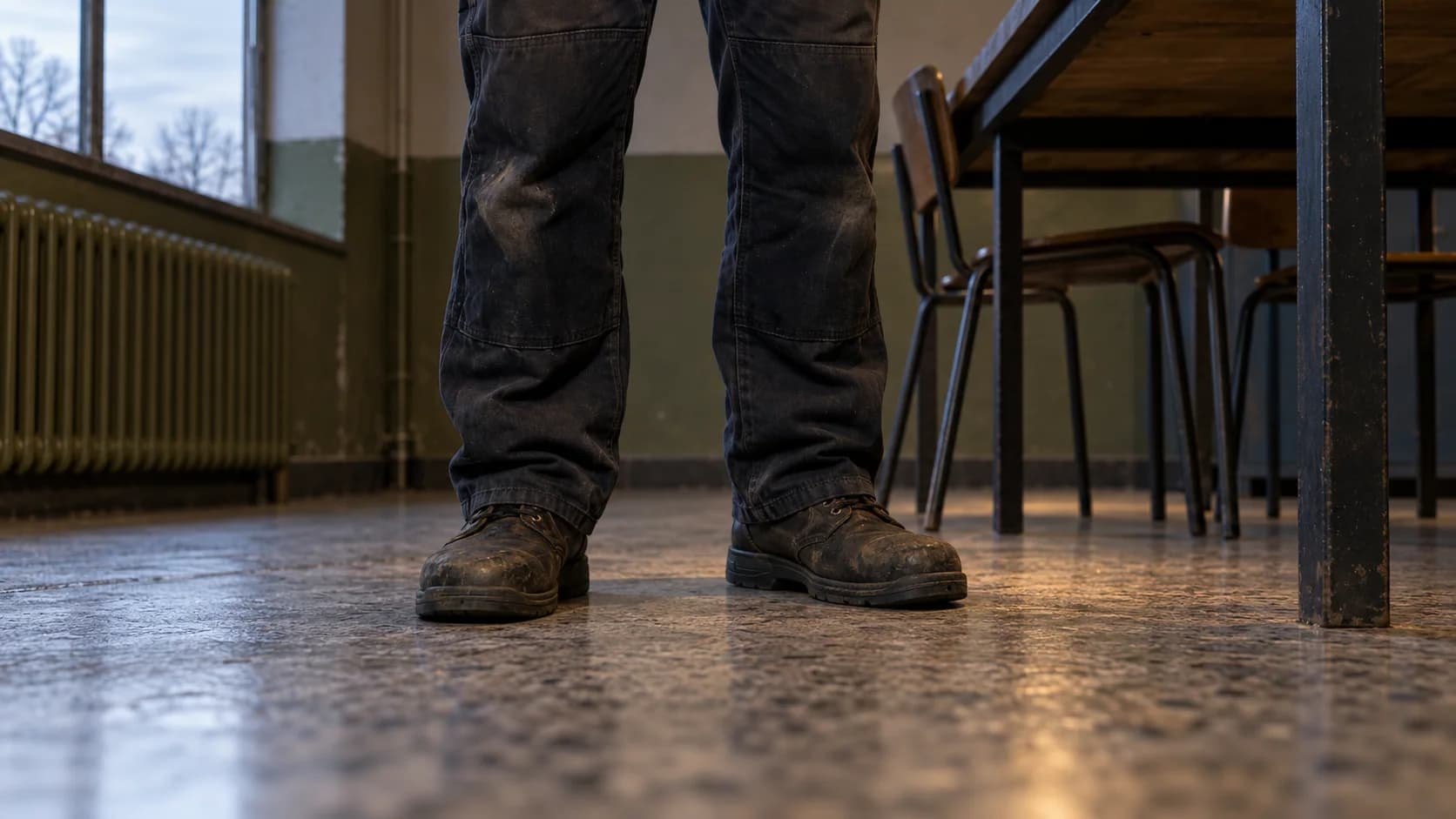 05
05Emphasize the floor, shoes and furniture bases.
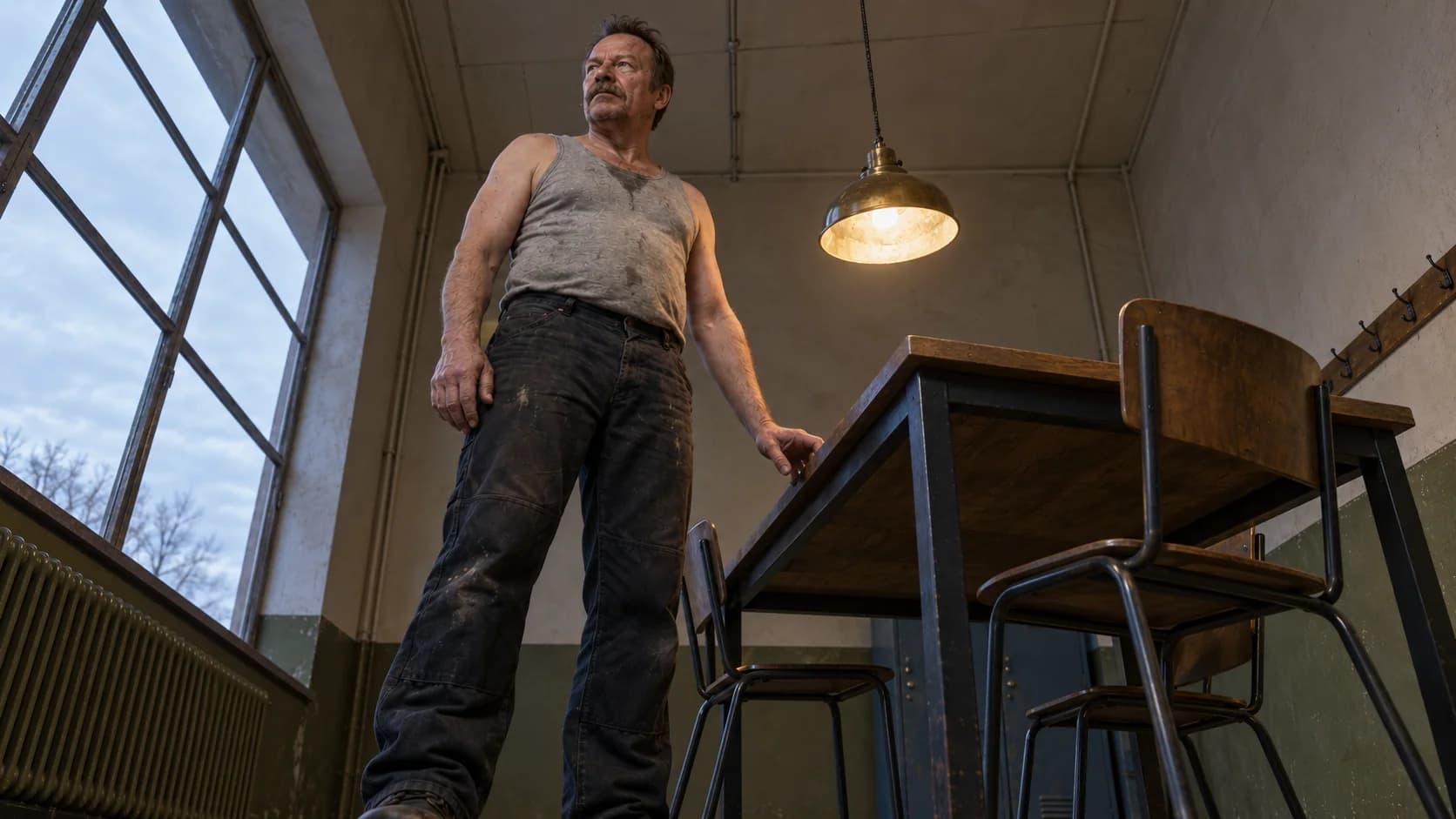 06
06Make the body and room rise dramatically above the viewer.
Keep the character still. Walk the camera around them.
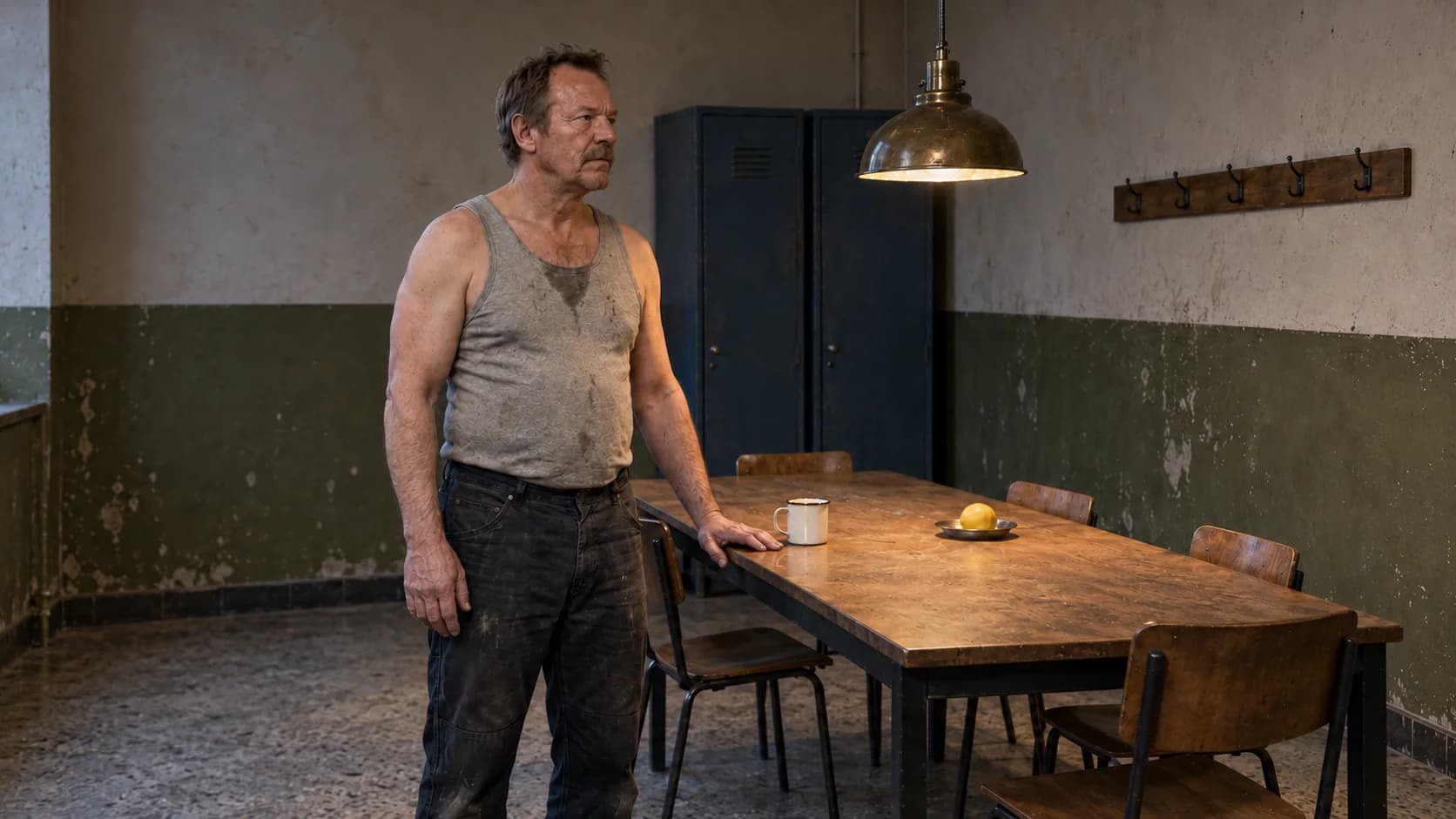 07
07Give the face and torso a clear sense of depth.
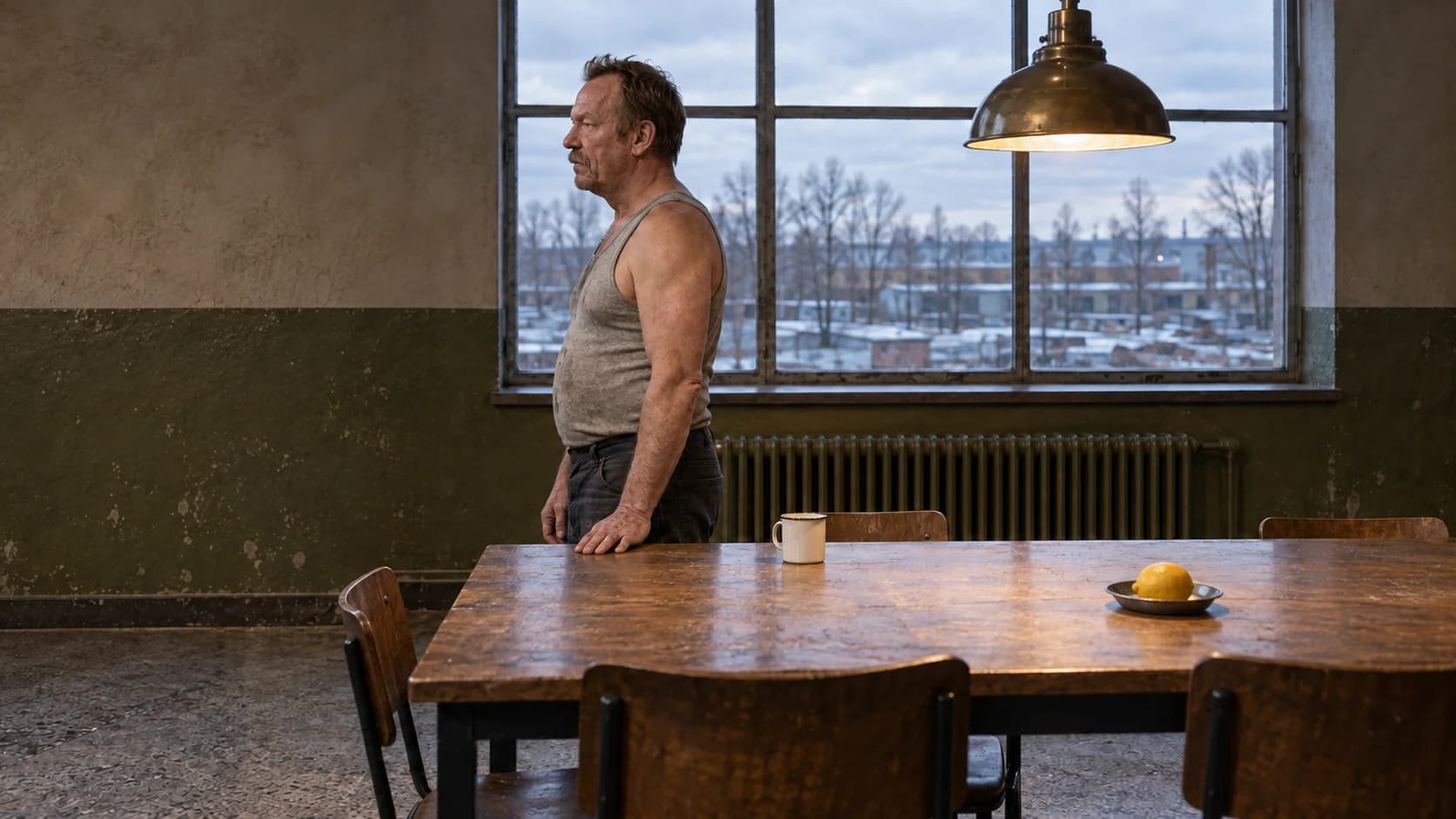 08
08Read the outline of the subject's left side.
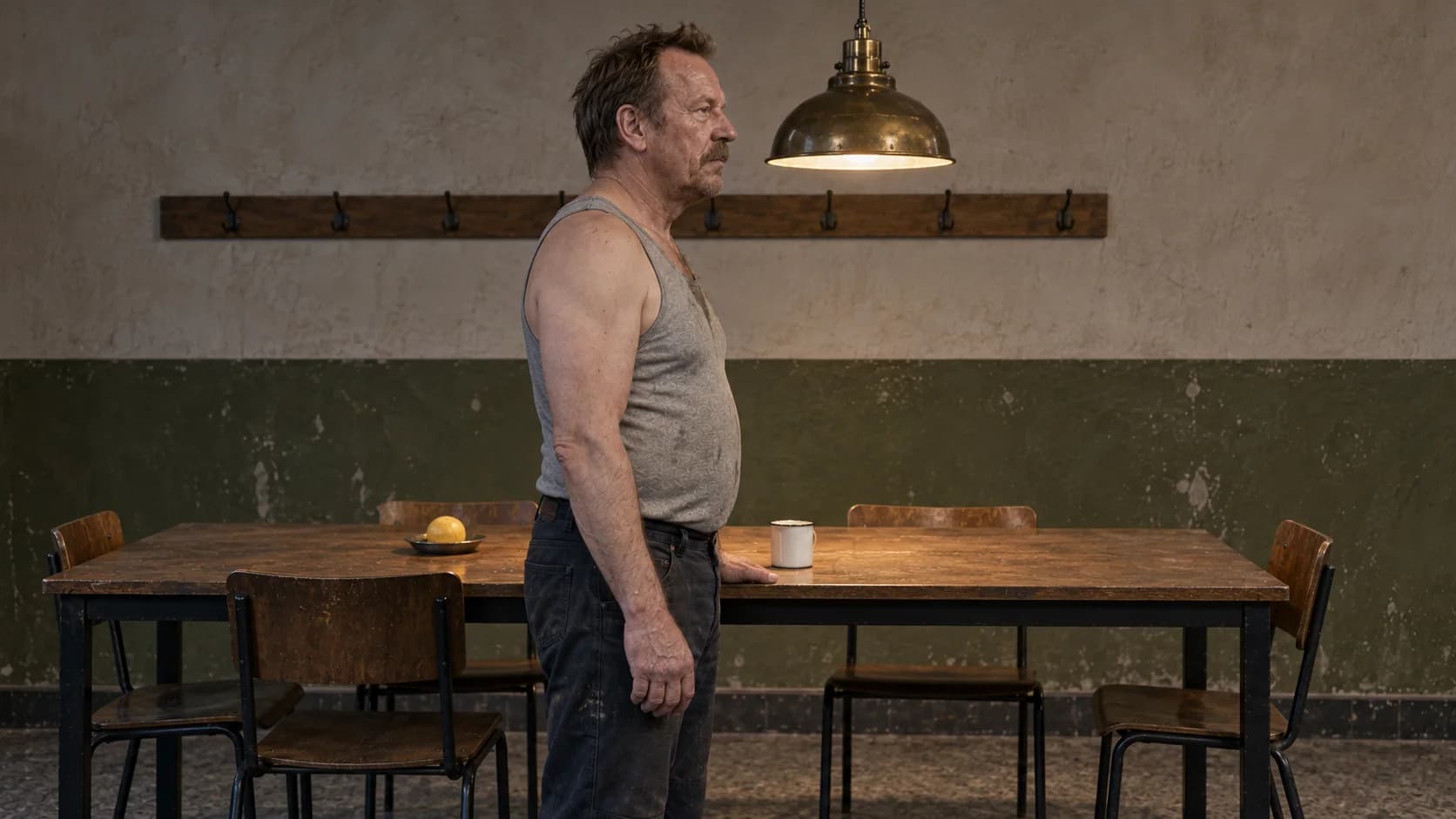 09
09Compare the opposite side and the changed background.
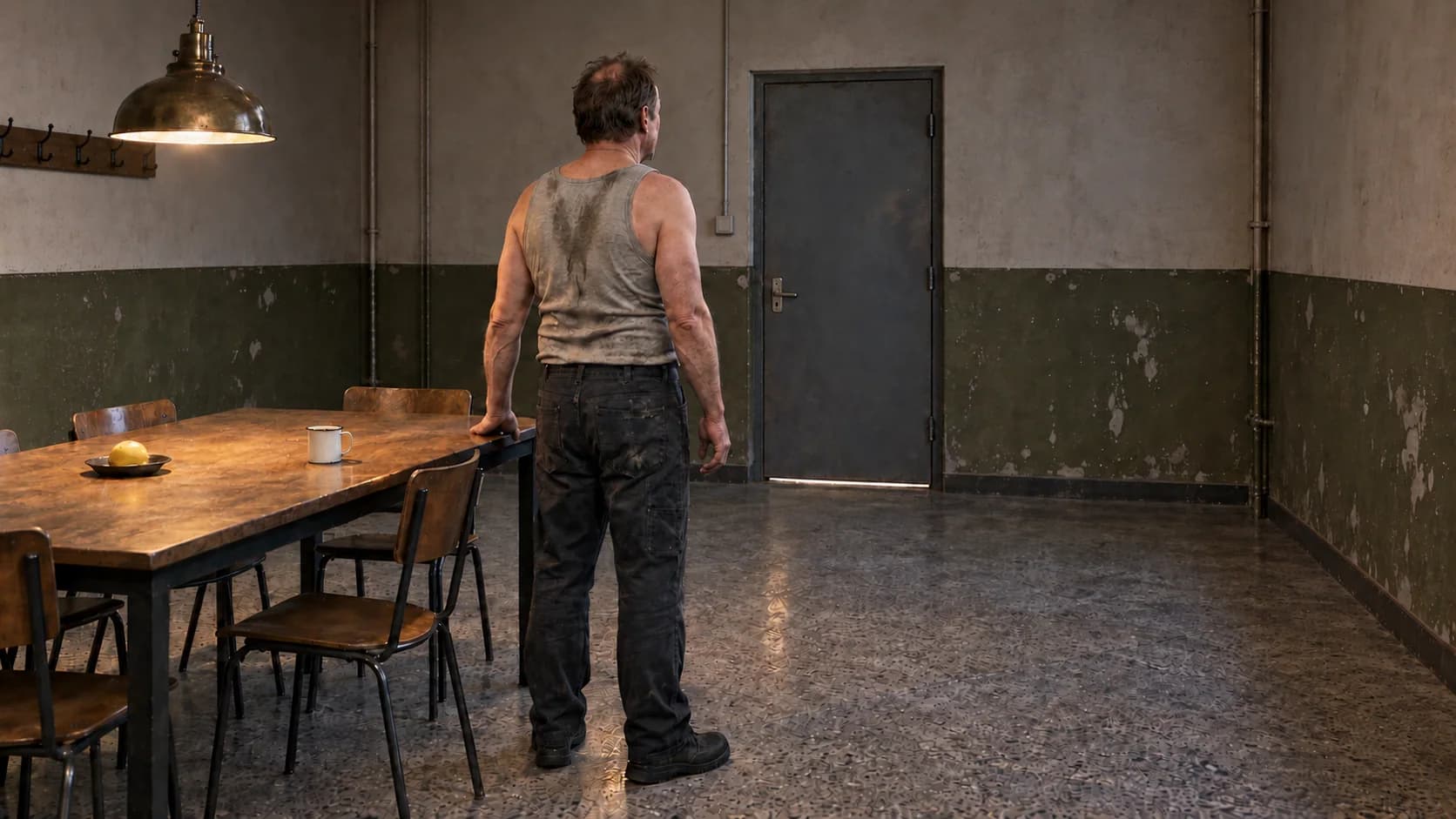 10
10Show the character from behind while retaining body depth.
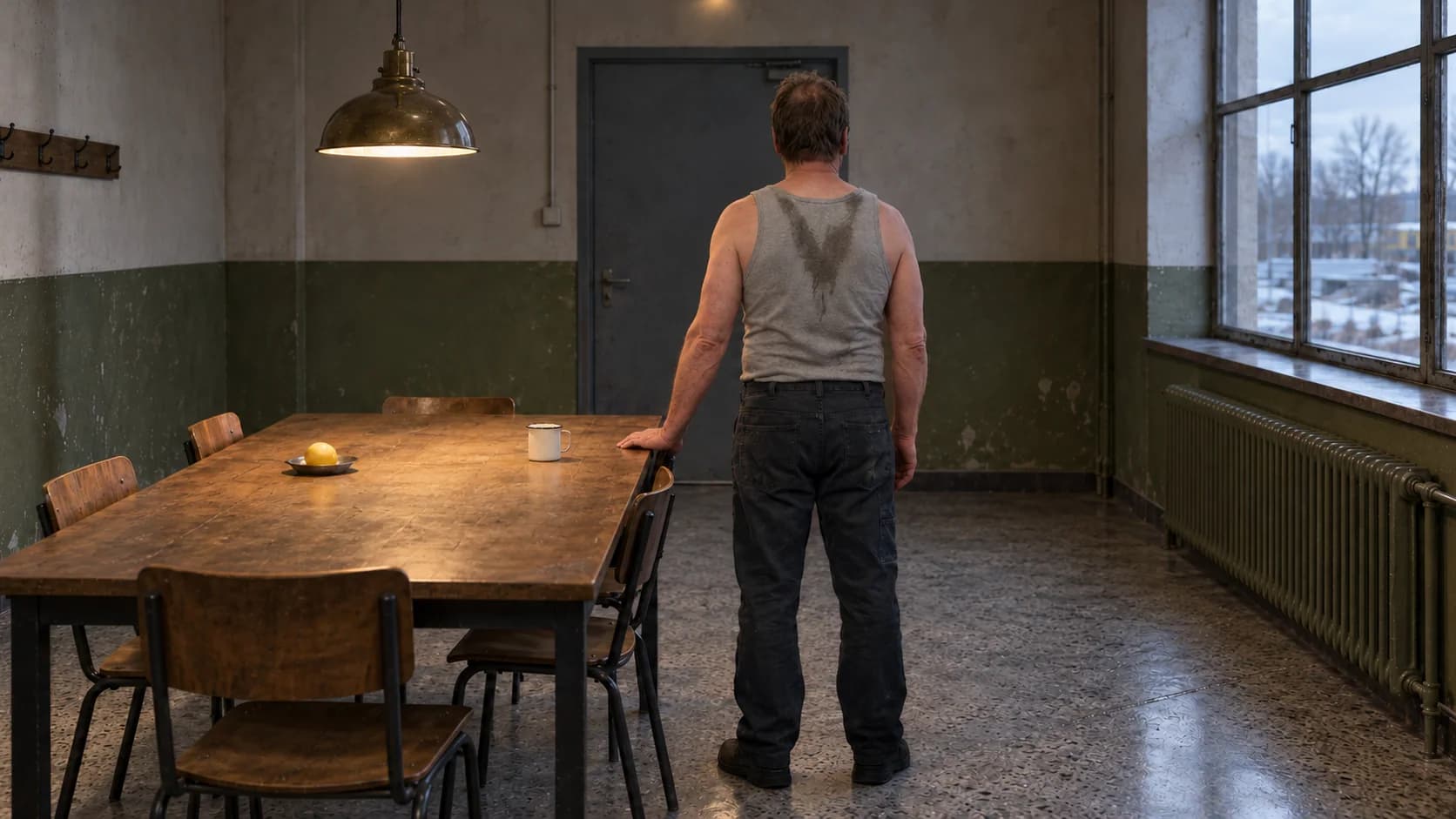 11
11Share the direction the character is facing.
Choose whose side of the moment the viewer shares.
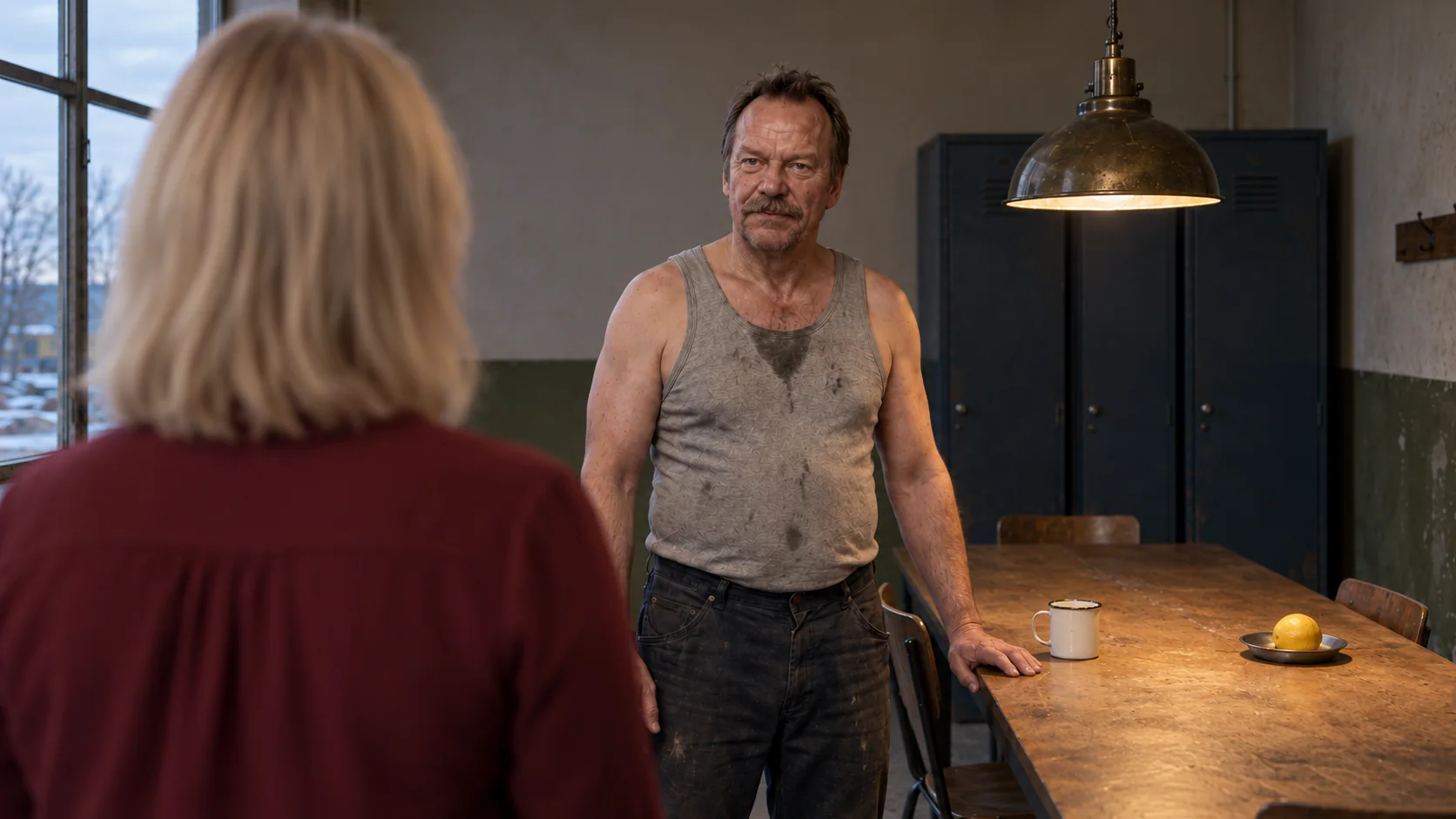 12
12Place the viewer inside the conversation, looking toward Brutalisti.
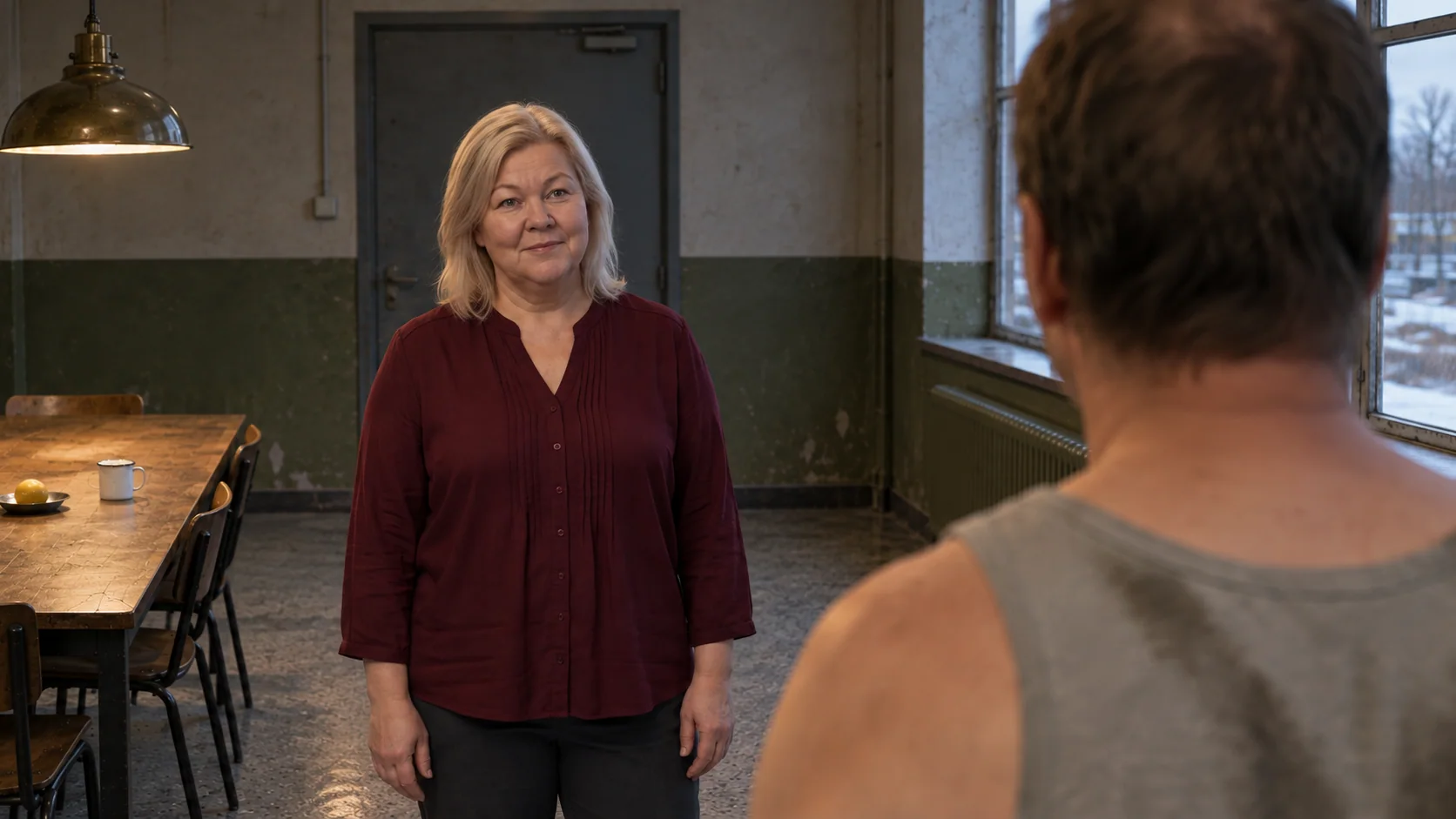 13
13Show Hilma's reaction from the matching reverse viewpoint.
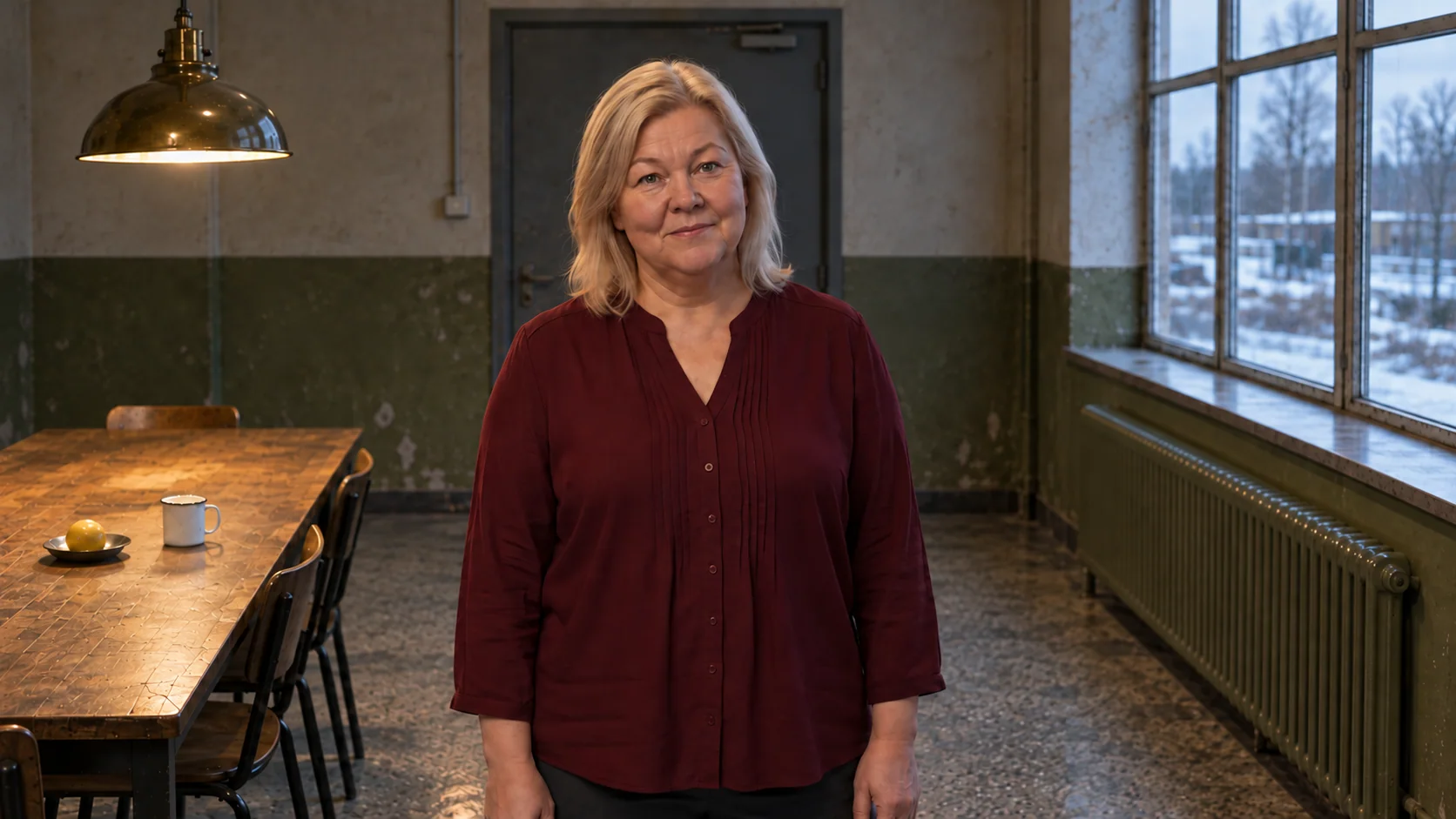 14
14See Hilma from Brutalisti's own position.
Change the frame, or place something close to the lens.
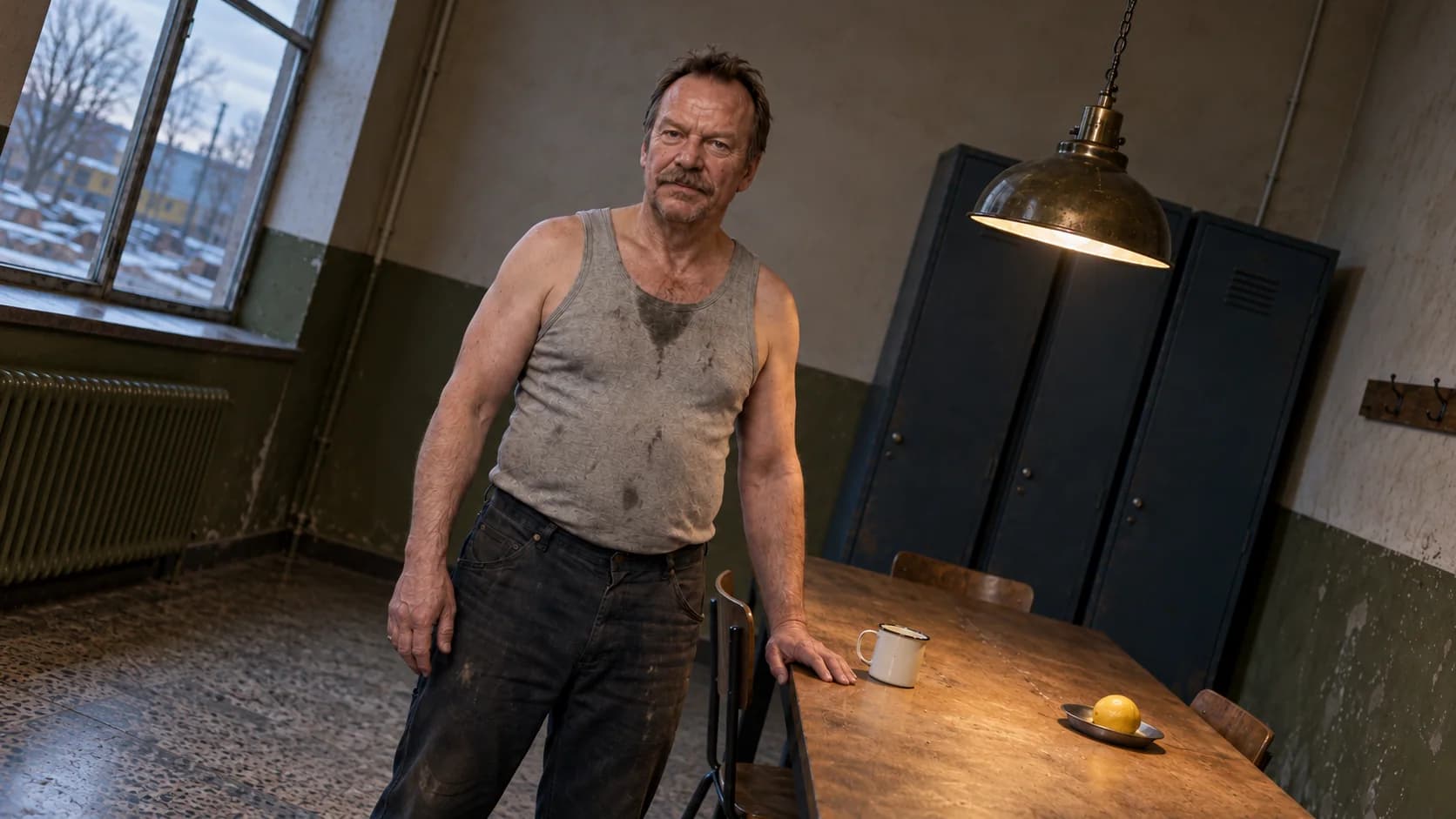 15
15Introduce deliberate unease by rolling the frame.
 16
16Add depth and a feeling of observing from within the room.
Three different decisions
A camera position is only part of a composition. Keep these choices separate when you write a prompt.
Eye height, near the floor, above the subject, behind a shoulder. Moving the lens changes the viewpoint and the relationship between near and far objects.
A floor-level camera can look straight ahead or steeply upward. Tilt changes where it points. Roll rotates the frame around its viewing axis.
A close-up and a wide shot describe the amount of the subject in frame. Lens choice and camera distance work together to create that composition.
Put the perspective to work
About these images: AI-generated interpretations of one designed room, featuring Brutalisti and, in the conversation examples, Hilma. Small differences in pose, props and room detail may occur. Camera diagrams and measurements describe intended setups, not measured camera metadata. Some examples also change lens and framing.